
Understanding the Montessori Education Philosophy
- Tiffany Aprecio
- Aug 2, 2025
- 4 min read

Montessori education has gained worldwide recognition for its unique approach to early childhood learning. Rooted in respect for the child’s natural development, this method encourages independence, creativity, and a lifelong love of learning. This article will explore the core aspects of Montessori education, focusing on its learning principles, philosophy, and practical applications.
The Core Montessori Learning Principles
Montessori learning principles emphasize a child-centered approach that nurtures the whole child—intellectually, socially, emotionally, and physically. These principles create an environment where children can thrive naturally.
Respect for the Child: Children are treated as capable individuals with their own interests and pace of learning.
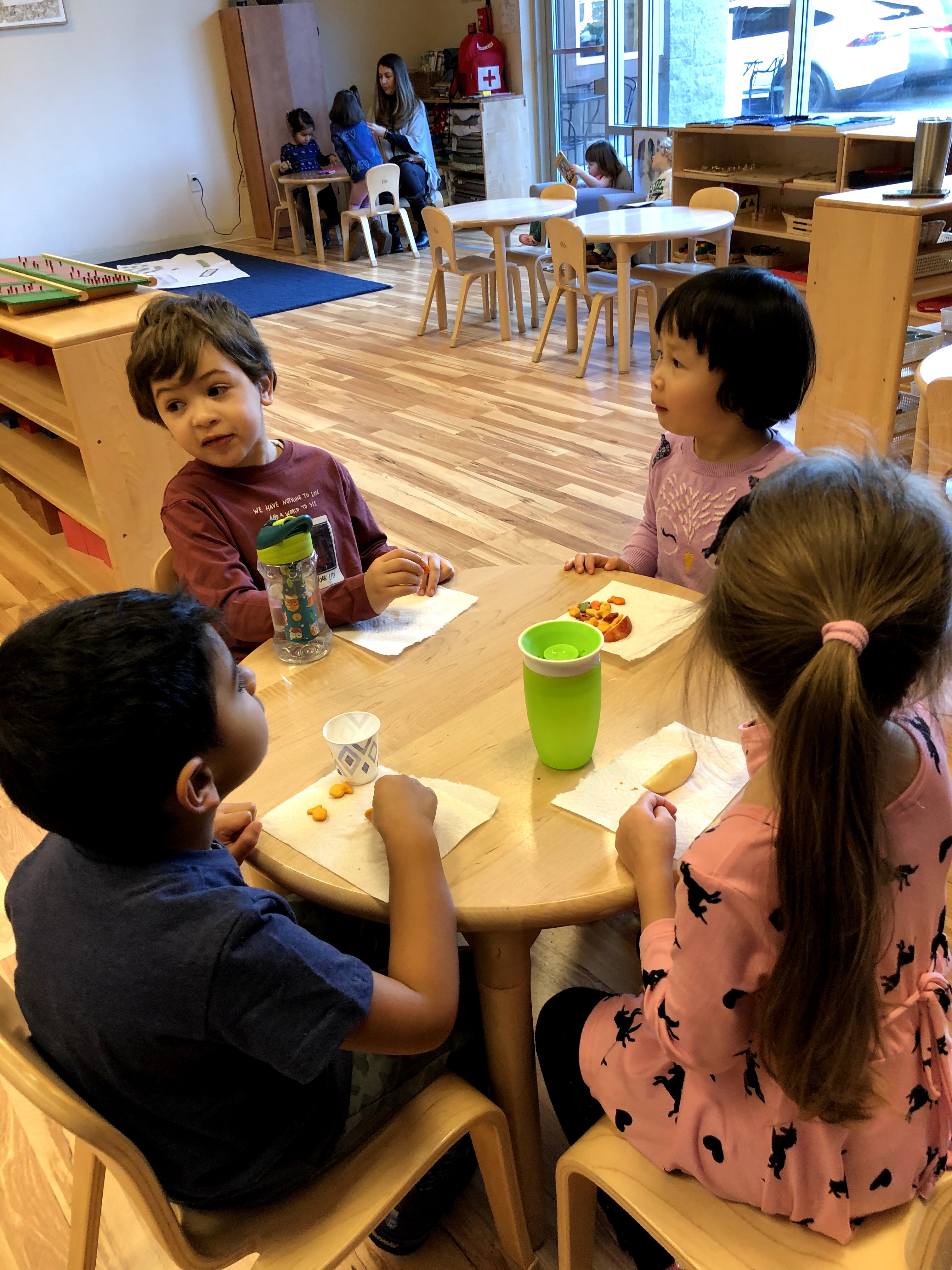
Prepared Environment: Classrooms are designed to be orderly, accessible, and filled with materials that encourage exploration.
Autoeducation: Children learn best when they discover concepts independently through hands-on activities.
Sensitive Periods: Montessori education recognizes specific windows of opportunity when children are particularly receptive to learning certain skills.
Intrinsic Motivation: Instead of external rewards, children are motivated by their own curiosity and satisfaction in mastering new skills.
For example, in a Montessori classroom, a child might choose to work with a set of wooden blocks to understand spatial relationships rather than completing a worksheet. This hands-on experience helps solidify abstract concepts in a meaningful way.

How Montessori Learning Principles Shape Daily Activities
The daily routine in a Montessori setting reflects its learning principles. Children are encouraged to select activities that interest them, fostering autonomy and decision-making skills. Teachers act as guides rather than traditional instructors, observing and supporting rather than directing.
Some practical ways these principles manifest include:
Choice and Freedom Within Limits: Children choose their work but within a structured environment that ensures safety and respect for others.
Mixed Age Groups: Classrooms often include children of different ages, promoting peer learning and social development.
Hands-On Learning Materials: Specialized materials help children grasp complex ideas through sensory experience.
Uninterrupted Work Periods: Extended blocks of time allow children to focus deeply without frequent interruptions.
For instance, a child might spend 30 minutes working with a bead frame to practice math skills, then move on to a language activity, all at their own pace. This flexibility supports concentration and mastery.

What is the philosophy of Montessori education?
At its heart, the philosophy of Montessori education is about fostering independence and respect for a child’s natural psychological development. Dr. Maria Montessori, the founder, believed that children learn best in an environment that supports their innate desire to explore and understand the world.
Key philosophical tenets include:
Child as the Center of Learning: Education is tailored to the child’s needs, interests, and developmental stage.
Learning Through Discovery: Children engage actively with materials that promote self-correction and problem-solving.
Holistic Development: Intellectual growth is balanced with social, emotional, and physical development.
Prepared Environment: The classroom is a carefully arranged space that encourages freedom within limits.
Teacher as Observer and Facilitator: Educators guide rather than dictate, allowing children to take ownership of their learning.
This philosophy encourages children to become confident, self-motivated learners who are prepared for lifelong education.

Practical Benefits of Montessori Education
Montessori education offers numerous benefits that extend beyond academic achievement. Some of the most notable advantages include:
Enhanced Concentration: Children develop the ability to focus deeply on tasks.
Improved Social Skills: Mixed-age classrooms foster cooperation and empathy.
Greater Independence: Children learn to manage their own activities and solve problems.
Love of Learning: The emphasis on choice and discovery nurtures intrinsic motivation.
Adaptability: Montessori students often show flexibility and creativity in new situations.
Parents and educators often observe that children who experience Montessori education demonstrate confidence and resilience. For example, a child who has practiced self-directed learning may approach new challenges with curiosity rather than fear.
How to Support Montessori Learning at Home
Parents can reinforce Montessori principles outside the classroom by creating a supportive home environment. Here are some actionable tips:
Create a Prepared Space: Designate a low shelf with accessible toys and materials that encourage exploration.
Encourage Independence: Allow children to dress themselves, prepare snacks, and clean up.
Offer Choices: Provide options for activities to foster decision-making skills.
Observe and Follow the Child’s Interests: Pay attention to what fascinates your child and provide related materials.
Limit Screen Time: Encourage hands-on play and real-world experiences instead.
For example, setting up a small gardening area where a child can plant seeds and observe growth aligns with Montessori’s emphasis on nature and sensory learning.
By integrating these practices, parents can help children develop the skills and attitudes that Montessori education promotes.
Montessori education philosophy is a powerful framework that respects and nurtures the natural development of children. By understanding and applying its principles, educators and parents can create enriching environments that inspire lifelong learning and personal growth. For more detailed information about the montessori education philosophy, exploring trusted Montessori resources and schools can provide valuable insights and support.




Comments